
About Hotel Kitchen Certification Overview
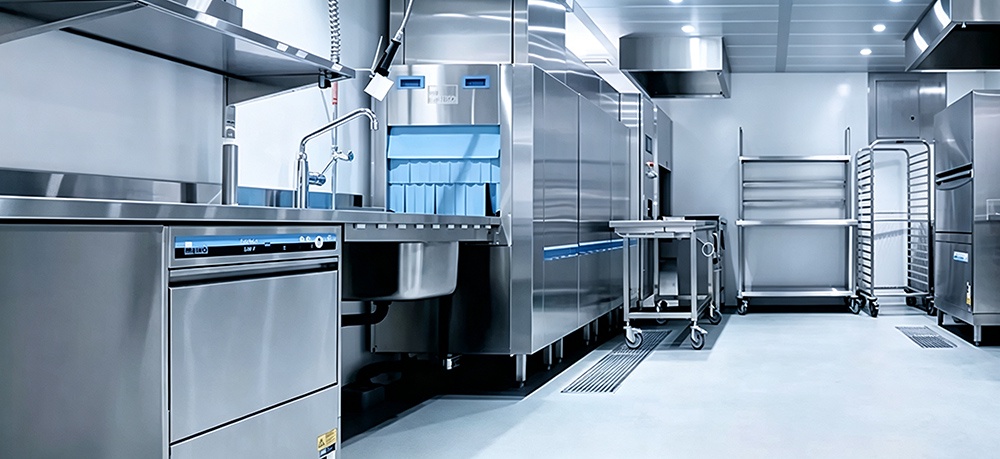
Hotel kitchens must comply with health, safety, and hygiene regulations, along with specific building and fire codes. Certification proves that your facility meets the standards necessary to prepare and serve food safely.
Who issues certifications?
Local Health Departments
Food Safety Authorities
Fire Safety Bureaus
Environmental or Sanitation Agencies
In some cases, internationally recognized certifying bodies (e.g., HACCP, ISO)
Key Technical Requirements
Here are the core technical areas inspectors or certifiers will evaluate:
1、Kitchen Layout & Workflow
Logical separation of zones (receiving, storage, prep, cooking, serving, cleaning)
Cross-contamination prevention (e.g., raw vs. cooked)
Adequate space for staff movement and cleaning access
Clear workflow that supports food safety and staff safety
2、Equipment Standards
Use of certified commercial-grade equipment (e.g., NSF, CE, UL)
Surfaces made of food-grade, corrosion-resistant materials (e.g., stainless steel)
Properly functioning exhaust hoods and ventilation (to control smoke, grease, odor)
Grease traps and fire suppression systems in place
Refrigeration units with accurate temperature controls and logs
3、Sanitation & Waste Management
Sinks: Separate handwashing, dishwashing, and food prep sinks
Dishwasher capable of meeting temperature or chemical sanitization standards
Food waste disposal systems (and grease disposal) per local regulations
Pest control measures integrated into facility design
4、Temperature & Environmental Controls
Cold storage consistently below 5°C (41°F)
Hot holding above 60°C (140°F)
Adequate lighting (minimum lux levels in prep and cooking areas)
Humidity and ventilation controls to prevent mold and contamination
5、Fire Safety
Certified fire suppression (hood suppression systems over cooking equipment)
Fire-rated wall and ceiling materials
Emergency exits clearly marked and accessible
Staff trained on fire protocols
6、Personnel Hygiene Facilities
Handwashing stations with soap, sanitizer, and signage
Staff lockers or changing rooms
Clear hygiene protocols and record-keeping
7、Documentation & Training
Food Safety Management Plan (HACCP or equivalent)
Equipment maintenance logs
Cleaning and disinfection schedules
Staff food safety training records
International Certifications
Depending on your business goals (like exporting or marketing to international hotel chains), you may pursue:
HACCP Certification (Hazard Analysis Critical Control Point)
ISO 22000 (Food Safety Management Systems)
NSF Certification (Equipment sanitation standards)
CE Marking (EU equipment conformity)
UL/ETL Certification (Electrical and fire safety in North America)
✅ Tip: If you’d like, I can help you draft:
An audit checklist
A kitchen layout plan
A compliance action plan for your region
NAVIGATION
Send Us A Message
Please give us a message